The Colorado Roof Repair Company You Deserve
The importance of regular roof inspections

The roof is one of the most important structural components of any home. It is the first and primary barrier between your family and the elements — rain, snow, hail, wind, and the relentless punishment of ultraviolet radiation . It protects your walls, your insulation, your electrical systems, your belongings, and the people you love. Yet for most homeowners, the roof exists purely in the background — noticed only when something goes catastrophically wrong.
Why does this happen? The answer is almost embarrassingly simple: you can't see your roof from inside your home. The kitchen faucet that drips announces itself. The squeaky floorboard demands attention every time you walk past it. But the roof quietly does its job, season after season, without complaint — right up until the moment it can't anymore. By the time a water stain appears on your ceiling, the damage above it has often been accumulating for months, or even years.
This invisibility problem is compounded by a widespread misunderstanding of how roofs age.
Many homeowners believe that because their roof was installed relatively recently, or because it "looks fine" from the driveway, no action is needed. In reality, roofing materials are in a constant state of degradation. Asphalt shingles lose their protective granules gradually.
Flashing around chimneys and vents develops micro-gaps that expand with freeze-thaw cycles. Gutters fill with debris that forces water to pool at the roofline, eventually finding its way beneath the surface layers. None of these processes are dramatic. All of them are destructive.
The financial consequences of neglect are severe and deeply lopsided. A professional roof inspection costs a modest amount and takes less than an hour. Minor repairs — replacing a handful of damaged shingles, resealing flashing, clearing and realigning gutters — are relatively inexpensive when caught early. A full roof replacement , on the other hand, can run tens of thousands of dollars, and that figure doesn't account for the interior water damage, mold remediation, and structural repairs that often accompany a roof that has been ignored too long.
The good news is that roof maintenance is neither complicated nor time-consuming. A professional inspection once or twice a year — particularly after severe weather events — is the cornerstone of a sound approach. Keeping gutters clean, trimming overhanging tree branches, and visually checking for missing or curled shingles from the ground are simple habits that can add years to a roof's functional life.
Your home's value, comfort, and structural integrity all flow downward from what sits on top. The homeowners who understand this treat their roof not as an afterthought, but as the priority it has always been. The ones who don't eventually learn the same lesson — just at a far greater cost.
-
Roofing Hail Damage Repair
-
Roof Inspection Services
-
Fix Roof Leaks
-

Gutter Inspections
-
Gutter Repairs
-

Gutter Cleaning



Contact Us
Roofing Hail Damage Repair
Repairing Hail Damage: Acting Before the Real Cost Begins
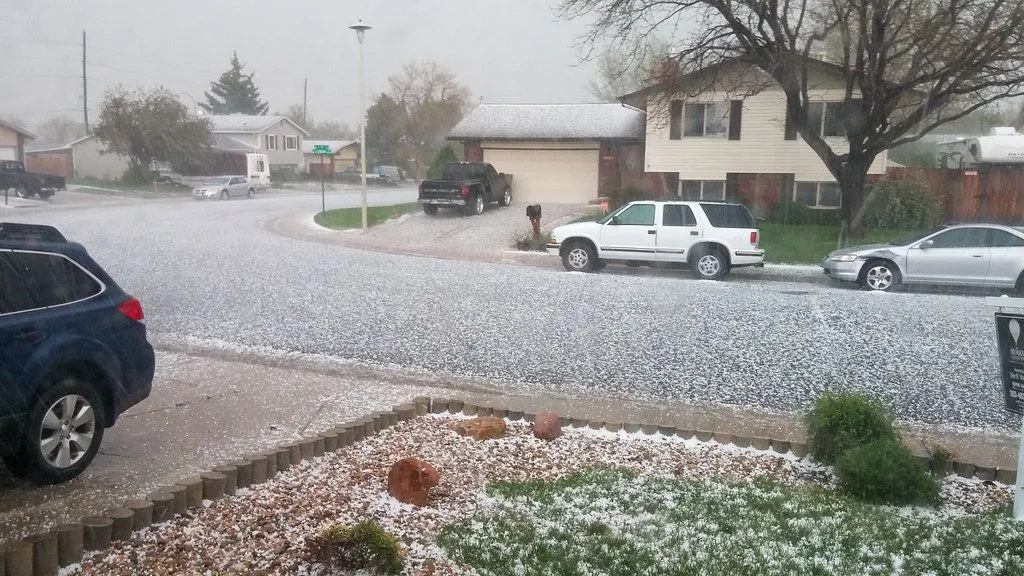
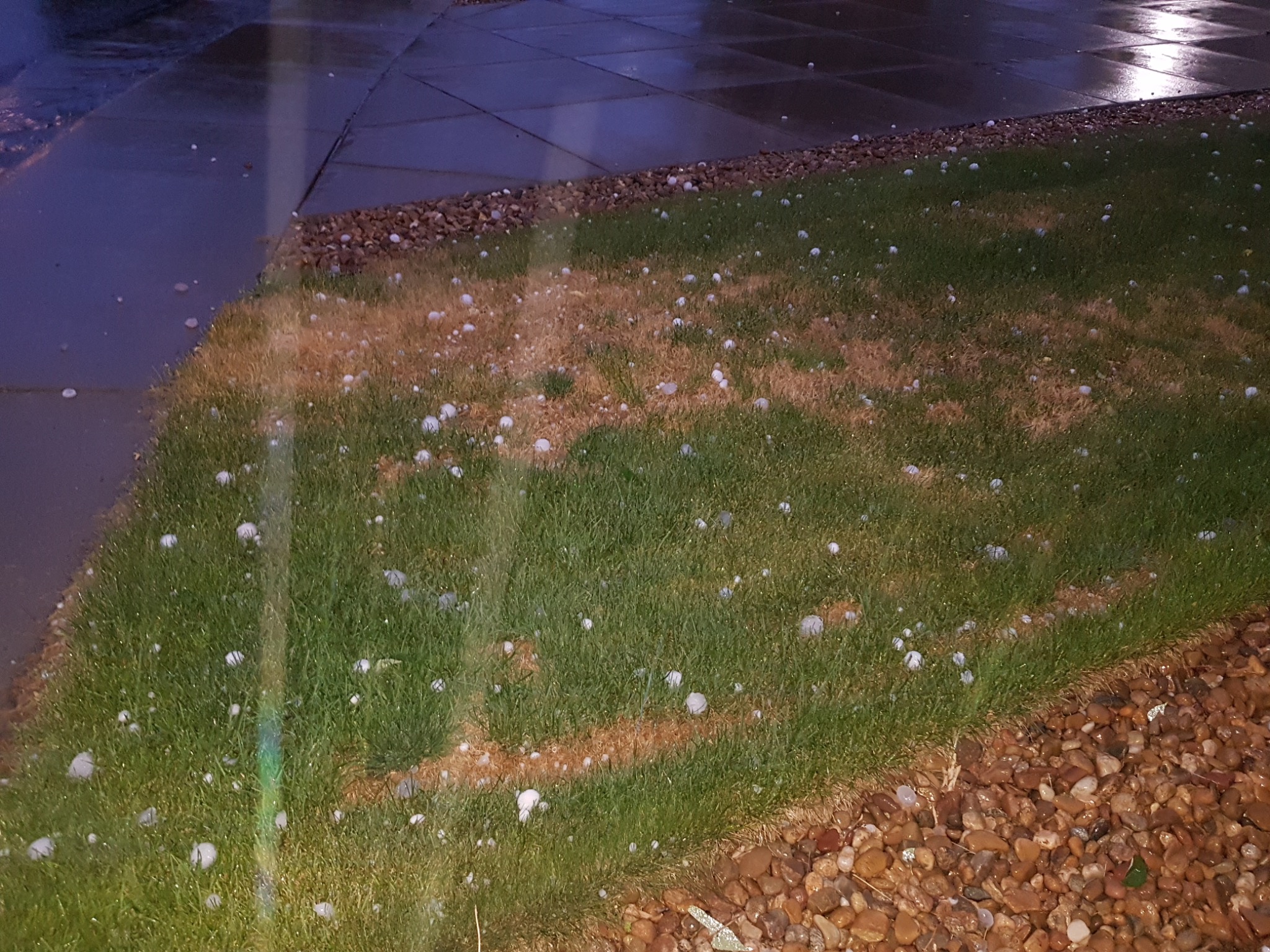
Hailstorms are among the most deceptive threats a roof will ever face. Unlike wind damage — which tends to be visually dramatic and immediately obvious — hail damage often looks minor on the surface while concealing serious structural compromise beneath. Understanding how hail damage is properly repaired , and why timely action matters, can save homeowners from a cascading chain of increasingly expensive consequences.
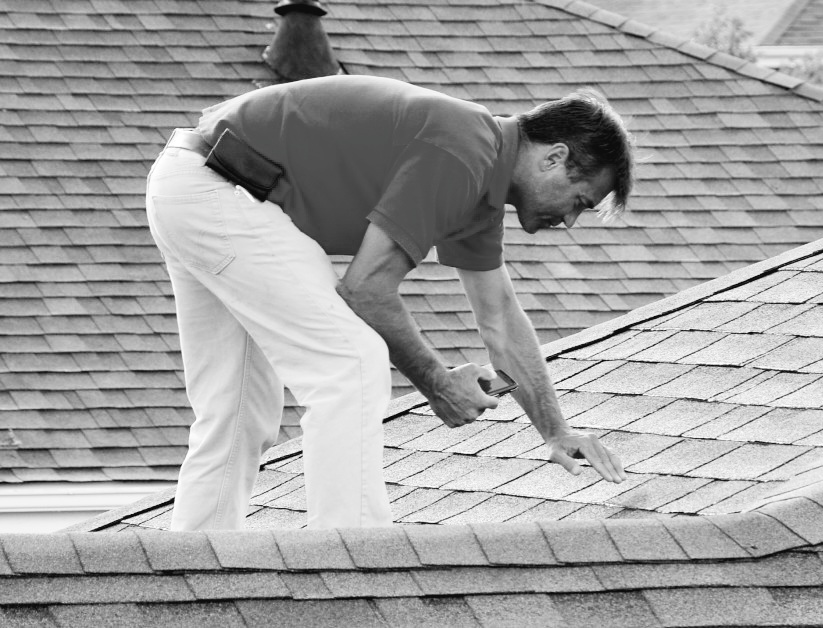
The first and most important step following any significant hail event is a professional roof inspection . Homeowners should resist the temptation to assess the damage themselves. What appears from the ground to be a roof in acceptable condition may, upon close inspection, reveal widespread granule loss, fractured shingle matting, and dented or displaced flashing — none of which are visible without direct examination. A qualified roofing contractor can document the damage thoroughly, which is equally important for insurance claim purposes.
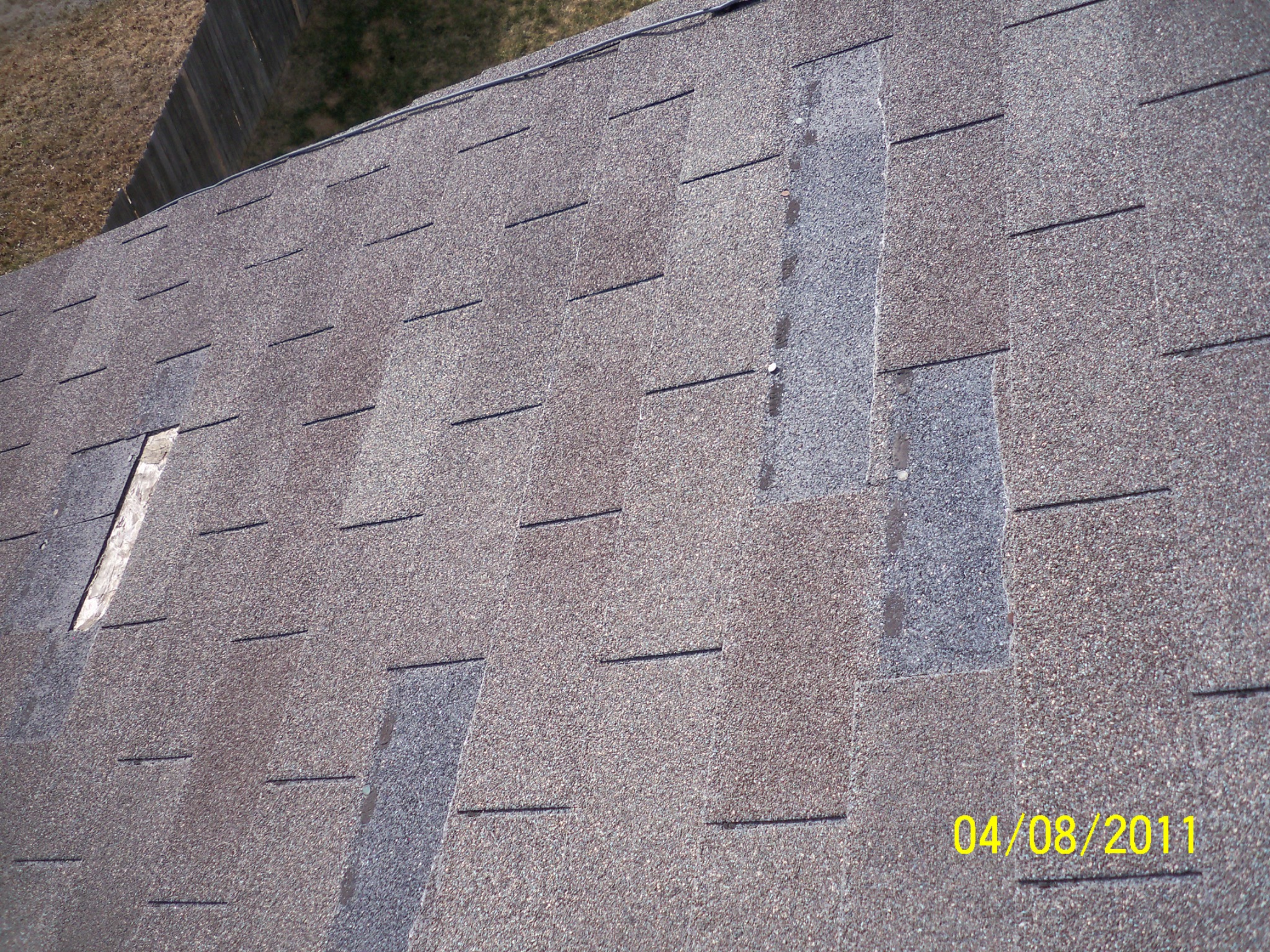
The scope of repair depends entirely on the severity and distribution of the damage. In cases where impact is concentrated in specific areas, selective shingle replacement may be a viable and cost-effective solution. A professional contractor will remove the compromised shingles, inspect the underlying decking for moisture penetration, and install matching replacement material. Flashing that sustained impact damage must also be replaced — not simply resealed — to ensure a watertight connection at roof penetrations.
When hail damage is widespread across the entire roof surface, a full replacement is typically the more sound long-term decision. Partially damaged shingles that remain in place will continue degrading at an accelerated rate, and the cost of repeated partial repairs often surpasses full replacement within just a few years.
One critical point worth emphasizing: speed matters. Water infiltration through hail-compromised roofing does not wait for a convenient repair window. Prompt action protects not just the roof, but the insulation, framing, and interior spaces below it.
Roof Inspection Services
What a Professional Roof Inspection Actually Covers
Many homeowners schedule a roof inspection without a clear picture of what the process actually involves. Understanding what our qualified inspector examines — and why each element matters — helps homeowners appreciate the value of our service and ask better questions when the report comes back.
A thorough professional roof inspection covers several distinct areas, each representing a potential vulnerability in the overall system.
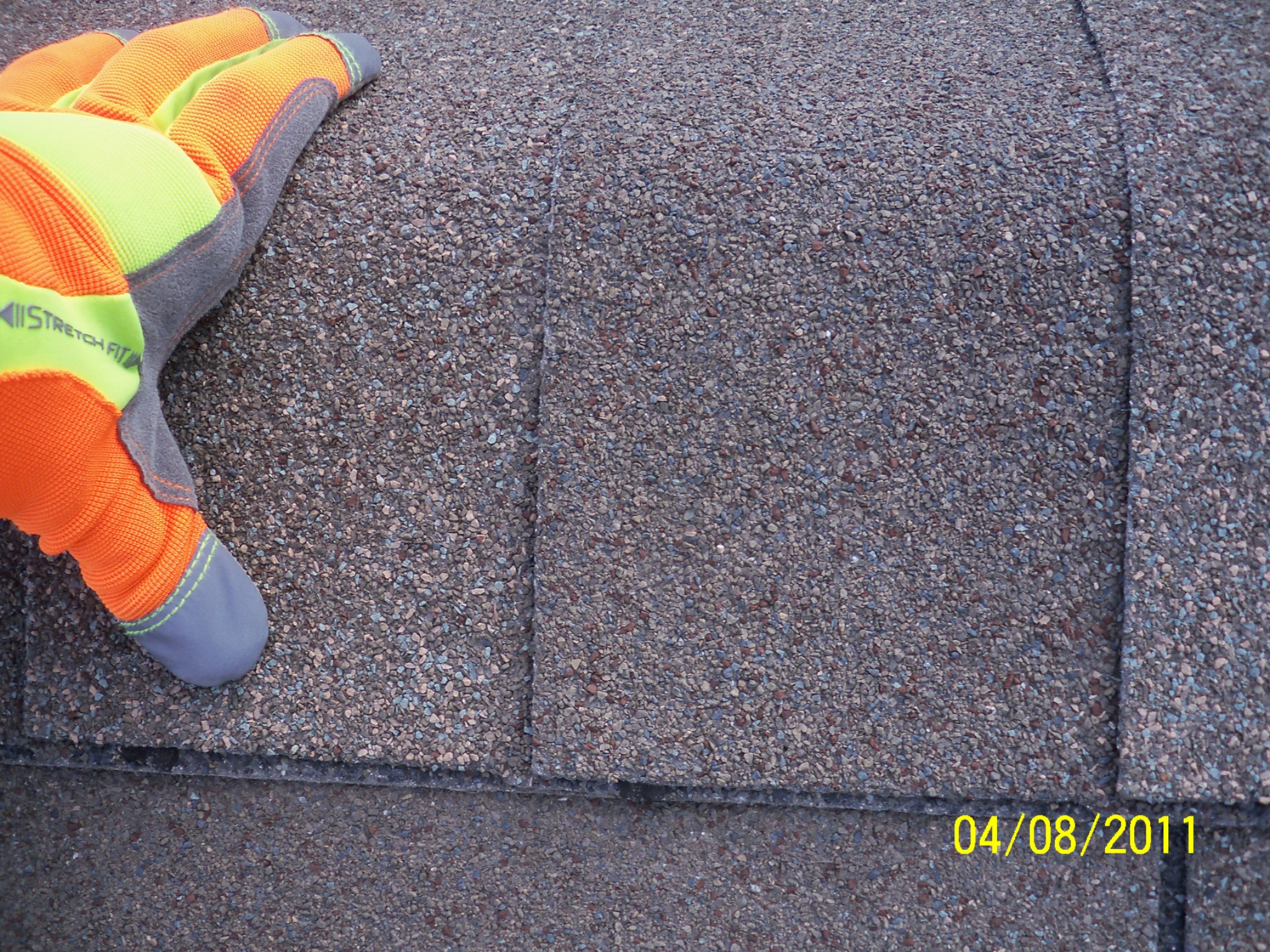
The Shingle Field is the starting point. Our inspector evaluates the condition of shingles across the entire roof surface, looking for granule loss, cracking, bubbling, curling edges, and any areas where shingles have lifted or separated from the adhesive seal beneath them. This assessment establishes the general health and remaining service life of the primary roofing material.
Flashing receives close attention because it is where the majority of roof leaks originate. Our professional inspectors examine the metal flashing around chimneys, skylights, pipe boots, dormers, and roof-to-wall transitions, checking for separation, corrosion, and failed sealant.
Gutters and Drainage are evaluated for proper attachment, blockages, and signs of shingle granule accumulation — a reliable indicator of accelerated shingle wear.
Ridge Caps and Valleys are high-stress zones that experience concentrated wind exposure and water flow respectively. Both require careful individual assessment.
The Roof Deck is examined where accessible for any soft spots, moisture staining, or sagging that would indicate water has already penetrated the surface layers.
Ventilation is the final component. Inadequate attic ventilation is one of the leading causes of premature shingle failure, and our inspector will flag any deficiencies in the ventilation system that could be shortening the roof's functional lifespan.
The complete inspection typically takes between one and two hours and produces pictures and a written report that serves as both a maintenance record and, when needed, supporting documentation for an insurance claim.
Fix Roof Leaks
Repairing a Roof Leak: Finding the Source Is Half the Battle
Of all the roofing problems a homeowner can face, a leak is simultaneously the most urgent and the most misunderstood. The visible symptom — a water stain on a ceiling, a damp spot on an interior wall — rarely tells you anything useful about where the actual problem is located. Water travels, often significantly, before it finds a place to accumulate and reveal itself. This fundamental characteristic of roof leaks is precisely why proper repair begins not with materials and tools, but with systematic detective work.
Our qualified roofing contractor will trace the leak back to its true point of origin before any repair work begins. This investigation typically involves interior attic access — examining the underside of the roof decking for moisture trails, staining patterns, and daylight penetration — combined with exterior examination of the most statistically likely failure points. Flashing around chimneys, pipe boots, skylights, and roof-to-wall transitions accounts for the vast majority of active roof leaks, even when the shingles surrounding them appear intact.
Once the source is confirmed, the repair scope is established. Failed flashing is removed and replaced rather than simply covered with sealant — a shortcut that addresses the symptom temporarily while the underlying failure continues. Damaged or saturated decking sections must be cut out and replaced before new surface material is installed, as laying fresh shingles over compromised decking guarantees a recurring problem.
Interior damage assessment is an equally important component of the process. Insulation that has absorbed moisture loses its thermal effectiveness and becomes a breeding ground for mold. Affected insulation should be removed and replaced as part of any complete leak repair, not left in place simply because it is out of sight.
Prompt, thorough repair by our qualified contractor is the only responsible response to an active roof leak. Temporary patches and deferred action consistently transform manageable repairs into major structural remediation projects.
Contact Us
3-Tab Asphalt Shingles:
America's Most Popular Roofing Material
Walk down almost any residential street in the United States and you will find the same material covering the majority of homes above you — 3-tab asphalt shingles . Accounting for roughly 80 percent of all residential roofing installations in the country, 3-tab shingles have earned their dominant position through a combination of affordability, versatility, and reliable performance. But like any building material, they come with real limitations that every homeowner should understand.
The Strengths
The most obvious advantage of asphalt shingles is cost. Compared to metal roofing, clay tile, or slate , asphalt shingles are significantly less expensive both to manufacture and to install. This makes them accessible to a broad range of homeowners and allows for full roof replacements without the kind of financial strain that premium materials demand.
Beyond cost, asphalt shingles are remarkably adaptable. They are available in a wide range of colors, profiles, and styles — including architectural or dimensional shingles that mimic the look of wood shake or slate at a fraction of the price. This aesthetic flexibility means they complement virtually any home design.
Installation is also straightforward compared to alternative materials, which keeps labor costs lower and shortens project timelines. When repairs are needed, replacing individual damaged shingles is a relatively simple process that most qualified roofers can handle quickly. Asphalt shingles also provide decent
fire resistance
and perform well across a broad range of climates, making them a genuinely practical choice for most of the country.
The Weaknesses
Despite their popularity, asphalt shingles have meaningful vulnerabilities that homeowners should not overlook. Their lifespan, while reasonable, is limited. Standard three-tab shingles typically last between 15 and 20 years, while higher-end architectural shingles may reach 25 to 30 years under ideal conditions. Compare that to metal roofing at 40 to 70 years or slate at over a century, and the gap becomes significant.
Asphalt shingles are also susceptible to weather extremes in ways that other materials are not. Prolonged exposure to intense heat can cause shingles to blister, warp, and crack. Hailstorms are particularly damaging — even moderate-sized hail can dislodge the protective granule coating on shingle surfaces, dramatically accelerating deterioration. High winds can lift shingle edges and break the adhesive seal that holds them in place, creating entry points for water infiltration.
One of the most deceptive characteristics of asphalt shingles is that significant damage is not always visible from the ground. Granule loss, hairline cracking, and compromised flashing at roof penetrations can be invisible to the untrained eye while actively allowing moisture to work its way into the underlying structure.
Why Inspections Are Non-Negotiable
Given these vulnerabilities, professional inspections are not a luxury — they are a fundamental part of responsible homeownership. A qualified roofing professional knows exactly where asphalt shingles most commonly fail and can identify early-stage damage that would otherwise go undetected until it becomes a serious problem.
Industry guidance generally recommends having your asphalt shingle roof inspected at least once a year, with an additional inspection following any major storm event. An inspector will assess granule loss, check flashing integrity, examine the condition of ridge caps, evaluate gutters for signs of shingle degradation, and look for any areas where the decking beneath may have been compromised by moisture.
The cost of that inspection is trivial compared to what early detection prevents. Asphalt shingles are an excellent roofing solution — but only when they are properly maintained and monitored throughout their lifespan.
Architectural / Dimensional Shingles:
Premium Performance
Within the broad category of asphalt shingles, one product has risen to become the preferred choice of discerning homeowners and roofing professionals alike — the
architectural shingle
. Also commonly referred to as dimensional or laminate shingles, architectural shingles represent a significant upgrade over their three-tab predecessors in nearly every measurable category. Understanding what sets them apart, where they fall short, and why
regular inspection
is still essential can help homeowners make smarter decisions about their most important investment.
What Makes Architectural Shingles Different
The fundamental distinction between architectural shingles and standard three-tab shingles lies in their construction. While three-tab shingles are a single flat layer of asphalt material, architectural shingles are composed of multiple layers bonded together, creating a thicker, heavier, and more dimensionally varied product. This laminated construction is the source of both their superior aesthetics and their enhanced durability.
The term "dimensional" refers specifically to the defining visual and structural characteristic of these shingles: their multi-layered construction creates genuine physical depth and texture on the roof surface, producing a three-dimensional appearance that flat, single-layer shingles simply cannot replicate. While the previous discussion of architectural shingles covered much of the foundational performance picture, examining dimensional shingles through the lens of their defining characteristic — that layered, textured construction — reveals additional nuances worth understanding.
From a visual standpoint, architectural shingles are genuinely attractive. The varied thickness and shadow lines created by their layered design closely mimic the appearance of natural wood shake or slate roofing, giving homes a high-end look without the extreme cost associated with those premium materials. They are available in an expansive palette of colors and profiles, making it easy for homeowners to find an option that complements their home's architectural character.
The Strengths
The performance advantages of architectural shingles are substantial. Their added weight and thickness make them considerably more resistant to wind uplift than standard shingles — many products are rated to withstand winds of 110 miles per hour or more, with premium lines offering even higher ratings. This wind resistance is a meaningful benefit in regions prone to severe storms and high-wind events. For homeowners in regions where severe thunderstorms, tropical weather systems, or high plains wind events are a regular occurrence, this added resilience is not a minor benefit — it is a meaningful layer of protection.
Hail resistance is also improved, though not eliminated. The thicker construction absorbs impact more effectively than single-layer shingles, reducing the likelihood of immediate penetration damage from moderate hail events. Many architectural shingle lines carry Class 4 impact resistance ratings — the highest available designation — which can even translate into homeowner's insurance discounts in some markets.
Longevity is another clear strength. Quality architectural shingles carry manufacturer warranties ranging from 30 years to lifetime coverage, and with proper maintenance they regularly achieve service lives that three-tab shingles simply cannot match. The thicker granule coating applied during manufacturing also means they shed water more effectively and resist the UV degradation that gradually breaks down lesser products.
Thermal performance is another advantage that often goes underappreciated. The added mass of dimensional shingles moderates temperature swings at the roof surface, reducing the rate at which heat-driven expansion and contraction cycles stress the material over time. This contributes directly to the product's extended service life and helps explain why dimensional shingles consistently outlast their three-tab counterparts in real-world conditions.
Algae and moss resistance has also improved significantly in modern dimensional shingle lines. Many manufacturers now incorporate copper or zinc granules into their products — metals that inhibit biological growth and help the roof maintain its appearance and integrity across decades of exposure to moisture and shade.
The Weaknesses
No roofing product is without its drawbacks, and architectural shingles are no exception. The most straightforward limitation is cost — architectural shingles are meaningfully more expensive than three-tab products, both in material cost and in the slightly more involved installation process their added weight requires. The material itself carries a higher price tag than basic shingles, and the additional weight can increase labor time and complexity, particularly on steeply pitched roofs or structures that require supplemental framing evaluation before installation.
Their greater weight, while generally an asset, can also present a consideration for older homes. Roof structures that were designed around lighter materials may require evaluation before an architectural shingle installation to confirm the framing can comfortably bear the added load.
Despite their durability, dimensional shingles remain an asphalt product and share the fundamental vulnerabilities of that material category. Severe hailstorms — particularly those producing large hail — can still cause significant granule loss and surface bruising that compromises the shingle's protective capacity without leaving damage that is obvious from the ground. Prolonged exposure to extreme heat in southern climates can accelerate thermal degradation over the back half of a shingle's service life, and improper attic ventilation can dramatically shorten the lifespan of even the highest-quality dimensional product by trapping heat beneath the roof deck.
Flashing failure is perhaps the most insidious weakness associated with any asphalt roof, dimensional or otherwise. The shingles themselves may remain in excellent condition while the metal flashing around chimneys, dormers, skylights, and roof penetrations quietly fails — creating water infiltration pathways that cause serious interior damage long before they are detected.
The Case for Regular Inspection
The longer lifespan of architectural shingles can encourage complacency. A homeowner who installs a 30-year product may assume that decades of trouble-free performance will follow without any active maintenance effort. That assumption is a costly one. The premium quality and extended warranty coverage of dimensional shingles can create a false sense of security that actually increases the risk of costly damage. A 30-year or lifetime warranty does not mean a 30-year roof that requires no attention — it means a product capable of lasting that long when properly maintained and monitored.
Even the most durable architectural shingles require periodic
professional evaluation
.
Flashing around chimneys, skylights, and pipe penetrations
ages independently of the shingles themselves and is a frequent source of leaks on otherwise sound roofs.
Ridge caps
— the shingles that cap the peak of the roof — are exposed to concentrated wind stress and often show wear before the field shingles below them.
Valleys
, where two roof planes meet, channel significant volumes of water and require close attention over time.
A professional inspection once or twice annually
— and always following significant hail or wind events — allows minor issues to be caught and corrected before they escalate. Architectural shingles represent a genuine investment in your home's protection and value. Protecting that investment with consistent, professional oversight is simply the responsible way to own them.
Professional inspections are the mechanism through which that potential lifespan is actually realized. A trained roofing professional will examine the granule coverage across the entire field of shingles, probe flashing connections for seal integrity, assess ridge cap condition, evaluate valley wear patterns, check for any lifting or buckling in the field shingles, and look for signs of moisture intrusion at the decking level. These are assessments that require trained eyes and hands-on access — no amount of ground-level observation by a homeowner can substitute for them.
Scheduling a professional inspection annually, and immediately following any significant weather event, is the straightforward commitment that separates homeowners who get full value from their dimensional shingle investment from those who discover its limits through an interior water stain and an unwelcome repair bill.